scan.is_first
This parcel, the first time
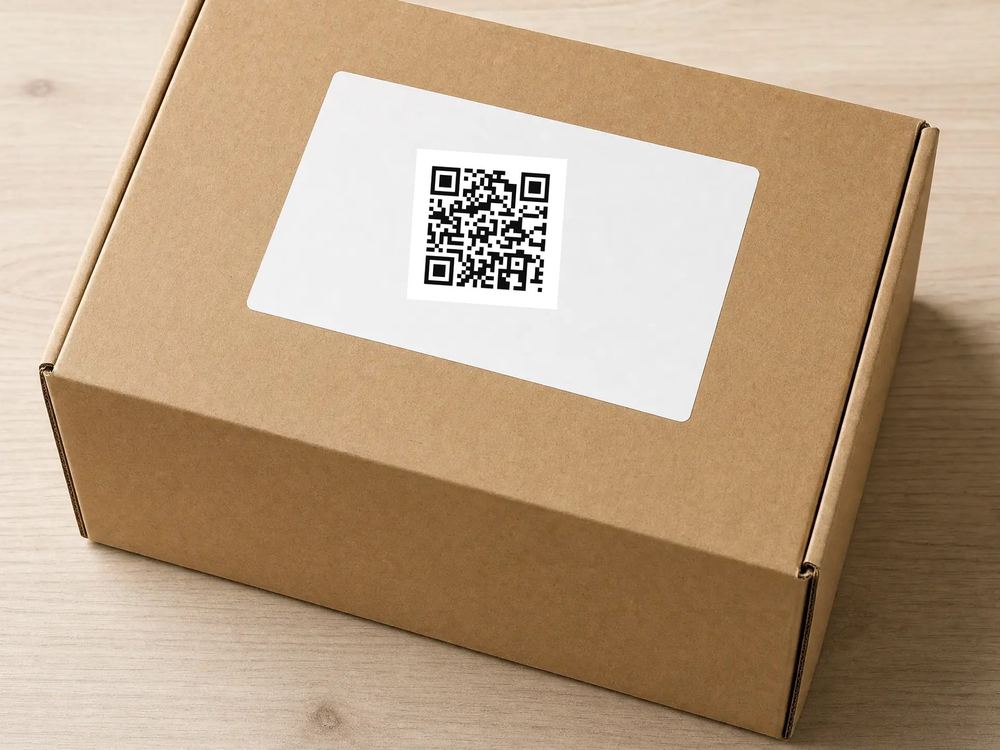
The same code answers differently the first time than the next. is_first is true per code, not per person: exactly once in the life of this label, no matter who scans. That is why the axis works where one code equals one item — on a shipping label. On a door sticker the same rule would be nonsense: exactly one passer-by worldwide would ever get the first branch.
- Where it hangs
- Parcel label, inner lid, return label.
- Why the paper stays
- Two QR codes on one label, and the recipient scans the wrong one.
Live resolution
scan.is_first = true- 1This parcel, first scan
- 2This parcel, scanned before
- alwaysOtherwise
First scan of this label?
The ruleset
Valid, storable, mandatory rule last.
Not a description of what the engine could do — this is the text a code carries. The first matching rule wins, and the last one always matches.
ruleset · version 1
{
  "rules": [
    {
      "when": { "scan.is_first": { "eq": true } },
      "then": { "type": "redirect", "url": "https://acme.com/setup" }
    },
    {
      "when": { "scan.is_first": { "eq": false } },
      "then": { "type": "redirect", "url": "https://acme.com/support" }
    },
    {
      "when": "always",
      "then": { "type": "redirect", "url": "https://acme.com/product" }
    }
  ]
}
The third rule catches the case where the counter could not be determined. A scan still does not land in nothing.
Reprinting is the expensive part. Stop doing it.
Create a codeTry it without an accountGet going, or have it shown to you.